
Tongue and Lip Tie Release Surgery
At Little Lion dental Clinic, we are dedicated to providing the highest quality care for children of all ages. Tongue tie and lip tie in babies (ankyloglossia) are conditions that can affect a child’s ability to feed, speak, and maintain proper oral health. We offer tongue tie release and lip tie release procedures for both infants and older children, ensuring each child receives age-appropriate and compassionate care.
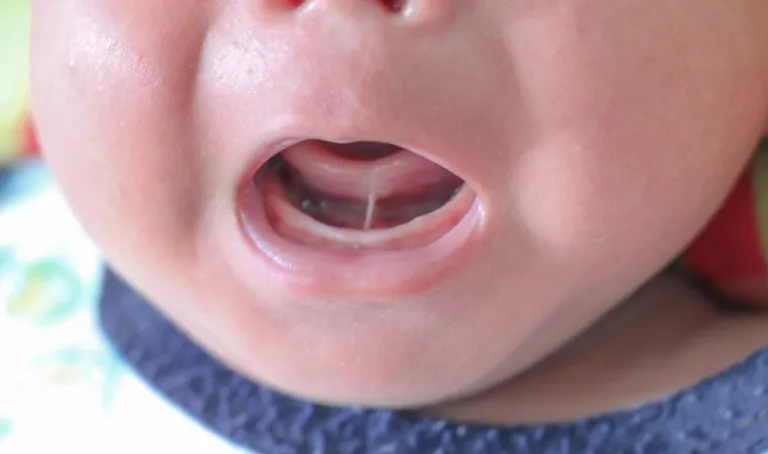
SERVICES FOR INFANTS
Understanding Tongue Tie and Lip Tie:
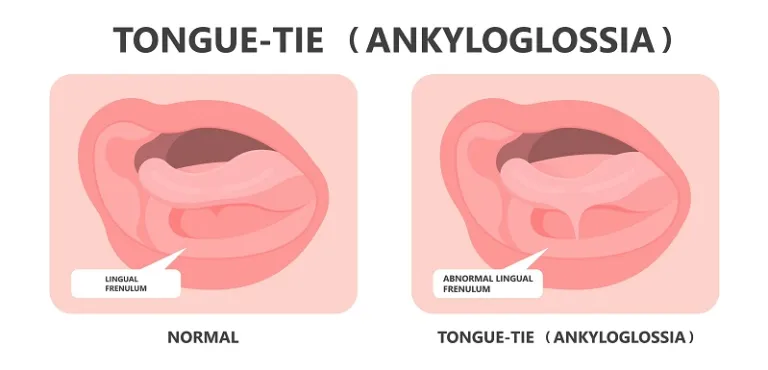
Tongue Tie in Babies (Ankyloglossia):
A condition where the frenulum (the tissue connecting the underside of the tongue to the floor of the mouth) is too tight or short, restricting tongue movement. This condition is common among tongue tied babies and may require early evaluation for a tongue tie release.
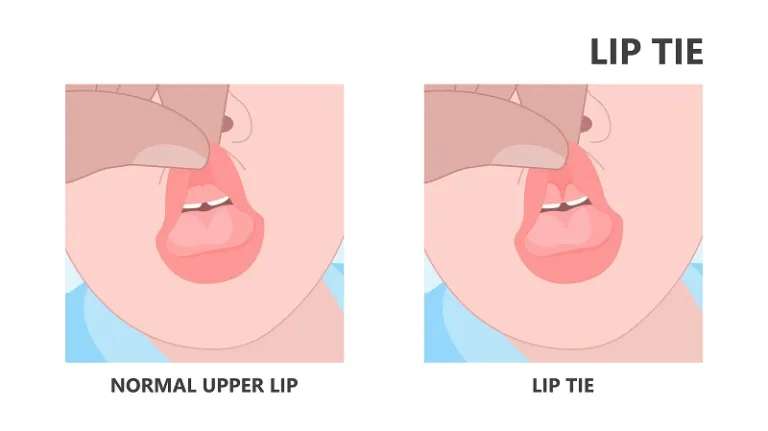
Lip Tie in Babies:
A condition where the frenulum connecting the upper lip to the gum is too tight, affecting the baby’s ability to latch and feed properly. In some cases, a lip tie release may be recommended to improve feeding and comfort.
Signs and Symptoms:
- Breastfeeding Difficulties:
- Poor Latch: The baby may struggle to latch deeply, leading to an incomplete or shallow latch and inadequate milk intake.
- Nipple Pain: Mothers may experience pain, cracked nipples, or soreness due to the baby’s ineffective latch or poor sucking technique.
- Frequent Feedings: The baby might need to feed more often or for longer periods due to inefficient feeding, leading to disrupted sleep and increased fatigue.
- Clicking Sounds: A clicking or popping noise during breastfeeding may indicate that the baby is struggling to maintain suction.
- Feeding Issues:
- Inadequate Milk Intake: Poor weight gain or slow growth can be signs of difficulties with feeding, observed through inadequate growth on weight charts or frequent hunger cues.
- Fussiness: Increased irritability or fussiness during and after feedings may indicate frustration with feeding challenges
- Oral Health Concerns:
- Gaps Between Teeth: Restricted tongue movement can lead to spacing issues or gaps between the front teeth as the baby grows.
- Difficulty Clearing Milk: Trouble clearing milk from the mouth may increase the risk of oral thrush or other infections.
Assessment and Treatment:
- Comprehensive Evaluation for Tongue and Lip Tie: Our team carefully examines oral structures, feeding patterns, and symptoms to determine whether your baby needs a tongue and lip tie release. Early detection in newborn tongue tie cases ensures faster recovery and better feeding outcomes.
- Frenectomy Procedures:
- Laser Frenectomy for Tongue and Lip Tie: A minimally invasive procedure using a laser to perform a tongue tie release or lip tie release with minimal bleeding and faster healing. This modern approach ensures comfort and quick recovery for tongue tied babies.
- Traditional Frenectomy: Involves surgical tools with local anesthesia to release the frenulum, ensuring the baby’s comfort during the procedure.
Benefits of Treatment:·
- Improved feeding efficiency and weight gain, reduced feeding-related pain, and prevention of future oral health issues.
Post-Procedure Care:
- Instructions for caring for the surgical site, exercises to improve tongue and lip mobility, and follow-up visits to monitor healing.
SERVICES FOR OLDER KIDS & TEENS
Understanding Tongue Tie and Lip Tie:
- Tongue Tie (Ankyloglossia): Restricted tongue movement due to a tight or short frenulum, impacting speech and oral hygiene.
- Lip Tie: A tight frenulum affecting the upper lip, contributing to dental alignment issues and oral hygiene challenges.
Signs and Symptoms:
- Speech Difficulties:
- Articulation Issues: Difficulty pronouncing sounds like “t,” “d,” “l,” and “r,” resulting in unclear or difficult-to-understand speech.
- Speech Delays: Noticeable delays in speech development or challenges with pronunciation, affecting communication skills and social interactions.
- Oral Hygiene Challenges:
- Difficulty Brushing: Limited tongue mobility can make it challenging to clean the back teeth effectively, leading to plaque buildup.
- Increased Plaque and Cavities: Difficulty maintaining proper oral hygiene may result in more plaque accumulation and a higher risk of cavities.
- Eating and Chewing Issues:
- Difficulty Chewing: Problems with biting and chewing tougher foods, leading to discomfort and a preference for softer foods.
- Food Preferences: A restricted diet due to difficulty with certain types of food, impacting nutritional intake.
- Dental Alignment Concerns:
- Spacing Issues: Development of gaps or spacing between front teeth due to restricted tongue movement, potentially affecting dental alignment and bite.
- Orthodontic Complications: Potential impact on orthodontic treatment, with difficulties in achieving desired results with braces or aligners.
Assessment and Treatment:
- Comprehensive Evaluation: Assessment of oral function, speech, and eating patterns with a personalized treatment plan.
- Frenectomy Procedures:
- Laser Frenectomy: Precise and minimally invasive, using a laser to release the frenulum with reduced discomfort and faster recovery.
- Traditional Frenectomy: Uses surgical tools with local anesthesia, involving careful management to ensure effective and comfortable treatment.
What is Laser Treatment?
Laser Treatment Overview for Tongue and Lip Tie: Laser treatment involves the use of a focused beam of light to perform precise surgical procedures. For tongue tie and lip tie release, the laser gently releases the tight frenulum (the tissue connecting the tongue or lip to the gum) that causes feeding or speech difficulties in tongue tied babies and children.
Benefits of Laser Treatment:
- Precision: Lasers allow for precise cutting of tissue with minimal damage to surrounding areas. This precision reduces the risk of complications and promotes faster healing.
- Minimal Bleeding: The laser cauterizes blood vessels as it cuts, which minimizes bleeding and reduces the need for stitches.
- Reduced Discomfort: The laser treatment is typically less painful compared to traditional surgical methods, leading to less post-procedure discomfort for the patient.
- Faster Recovery: Patients often experience quicker recovery times due to the minimal invasiveness of the procedure and reduced risk of infection or complications.
- Less Anesthesia Required: Local anesthesia is usually sufficient, making the procedure safer and more comfortable for the patient.
How Does Laser Treatment Work?
Procedure Steps:
- Evaluation: The procedure begins with a thorough examination and assessment of the frenulum to determine the best course of action.
- Anesthesia: Local anesthesia is applied to numb the area being treated, ensuring the patient’s comfort during the procedure.
- Laser Application: The laser is precisely directed to the frenulum to release the tight tissue. The laser beam vaporizes the excess tissue and cauterizes blood vessels simultaneously.
- Post-Procedure Care: The treated area is monitored, and care instructions are provided. The patient may experience some discomfort, which is usually mild and manageable with over-the-counter pain relief if needed.
Benefits of Tongue and Lip Tie Release:
Improved speech clarity, better oral hygiene, enhanced eating and chewing function, and prevention of orthodontic issues.
Lip and tongue tie release helps restore normal oral mobility and supports overall development in children.
Post-Procedure Care:
- Detailed care instructions, exercises to prevent reattachment, and follow-up visits to ensure successful recovery.
At Little Lion Dental Clinic, we are dedicated to providing compassionate and effective care for children with tongue tie and lip tie. Whether it’s a newborn tongue tie, lip and tongue tie, or cases in older kids and teens, our experienced team provides comprehensive evaluations and tongue and lip tie release procedures to support your child’s oral health and development.
If you notice signs of a tongue tied baby or feeding concerns, contact us to discuss the best tongue and lip tie release options for your child. If you notice any of these signs or symptoms, please contact us to schedule an assessment and discuss the best treatment options for your child.
Ready to Schedule an Appointment?
We offer a number of dental treatments that will keep your kids mouth healthy. Contact us today!